Chef's Tables and Hidden Kitchens: Medellín's Dining Trend Explained
Medellin chef's table and hidden kitchen experiences are selling out weeks ahead. Here's what's driving the trend and how to get a seat.
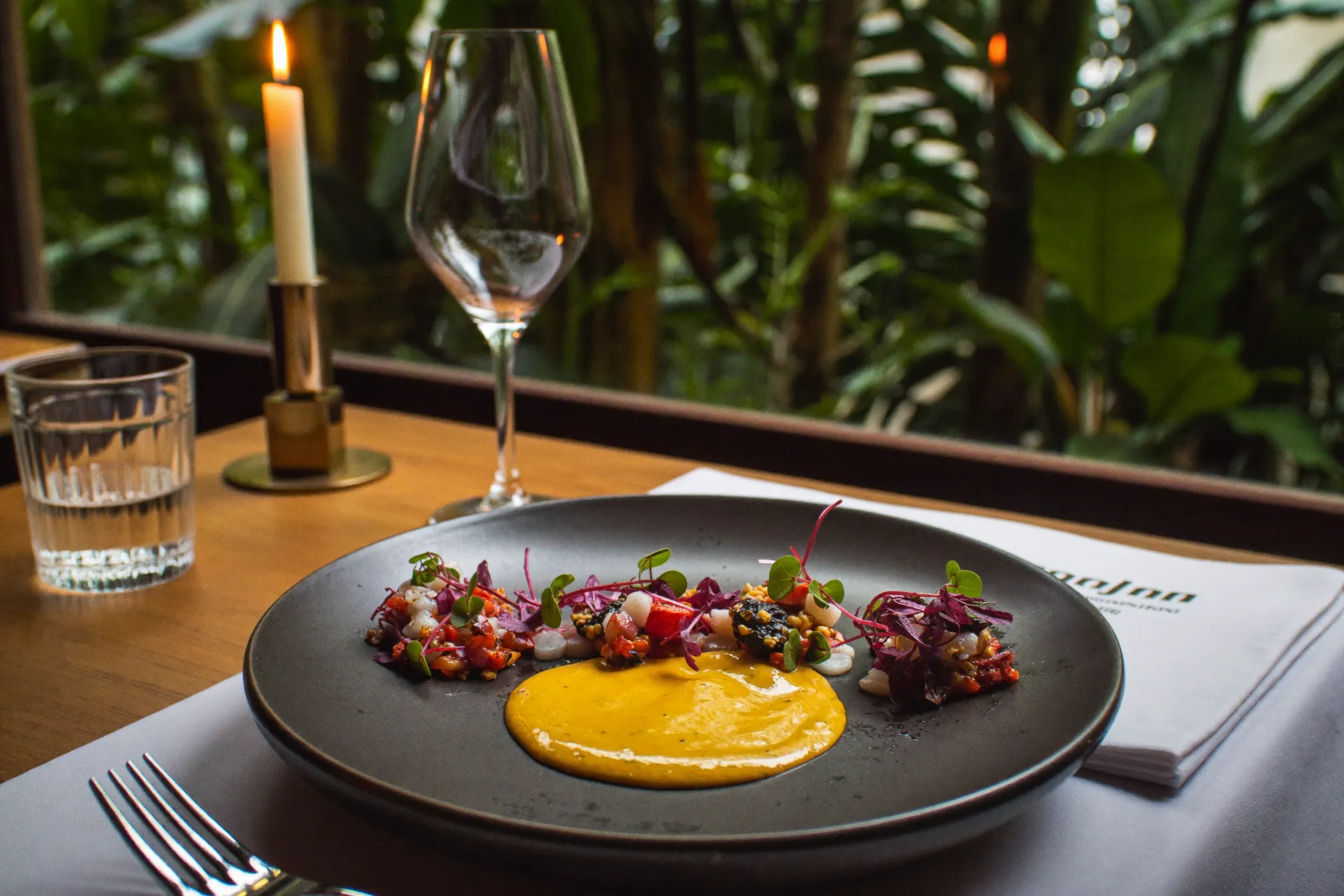
Something is happening at the top of Medellín’s dining scene that goes beyond a handful of celebrated restaurants raising their prices. The Medellin chef’s table — a fixed seat at a counter or private room where a tasting menu is the only option — is becoming a format that expats, nomads, and visiting food travellers are actively hunting before their trips even begin. Seats at the city’s most-watched experiences are now selling out days or weeks in advance, a pattern that did not exist three years ago.
This piece documents the shift using verifiable signals: published menus, cited prices, press records, and booking platform data. No first-person dining claims are made here.
Why This Trend Is Breaking Now
Two international rankings landed in 2025–2026 that changed the conversation. National Geographic included Medellín in its “Best of the World 2026” list, and Condé Nast Traveler named the city one of the ten best places in the world to eat in early 2026. Both endorsements were widely covered in Colombian media and lit up the kind of international foodie communities that plan trips around a single restaurant reservation.
Meanwhile, the structural conditions were already in place. Medellín’s licensed restaurant count grew from approximately 6,000 to 9,000 over the past decade, and the quality tier at the top expanded alongside the raw numbers. The city had world-class chefs, excellent local ingredients, and a cost base that allows extraordinary menus to be priced well below comparable experiences in Bogotá, Mexico City, or Lima.
The result is a market dynamic that rewards speed: limited seats, rising international demand, and an English-speaking diaspora actively sharing discovery on social media.
The Established Chef’s Table Anchors
Two restaurants have set the reference standard for formal tasting-menu dining in the city.
Elcielo (El Poblado) is the city’s highest-profile fine-dining address. It holds a Michelin recognition and serves a multi-course Colombian tasting menu — published descriptions reference 17 to 18 courses — that moves through techniques including edible paper, liquid nitrogen tableside presentations, and Colombian cacao preparations. Reservation deposits were cited at approximately 445,000 COP per person as of mid-2024, with an optional wine and spirits pairing for roughly 297,000 COP; prices should be confirmed directly with the restaurant, as they adjust periodically. Changes to reservations are only permitted 30 or more calendar days in advance. At current exchange rates (approximately 4,100 COP per USD as of mid-2026), the full experience lands around $100–$120 USD per person before drinks — a fraction of what a comparable Michelin experience costs in Europe or North America.
Carmen (Cra. 36 #10a-27, El Poblado) takes a warmer, more accessible approach to the same format. Its chef’s bar seats diners overlooking an open kitchen, and the restaurant offers a five-course tasting menu priced at around 229,000 COP (~$56 USD) with wine pairing included, as well as a seven-course option for those wanting to go deeper. Carmen celebrates Colombian biodiversity through its sourcing — Amazonian fruits, Pacific seafood, Andean cuts — and reservations are recommended well in advance.
Hidden Kitchens and Speakeasy Dining
Below the formal tier, a parallel scene has developed around concealment and discovery — restaurants and bars where the entrance itself is part of the experience.
Medellingles, the city’s most-read English-language food newsletter, catalogued twelve distinct tasting menus operating in Medellín, spanning neighborhoods from Laureles to El Poblado. Entry-level options start around 159,000 COP for seven courses in Laureles — approximately $39 USD — with wine pairings available from 79,000 COP extra. The range signals a format that is no longer confined to high-end addresses: it has spread to mid-range neighborhood restaurants where chefs use the fixed menu structure to reduce waste and tell more coherent culinary stories.
The speakeasy format — borrowed from bar culture — has also migrated into food-led spaces. Konbini hides behind a grocery-store façade and opens into a Colombian-Japanese concept where the kitchen and bar are equally central. La Oculta is accessed through a bookshelf-concealed entrance. These venues trade on the idea that finding the place is itself a meaningful part of the dining ritual — something that maps cleanly onto the Instagram-era expat and tourist appetite for “discoverable” experiences.
The New Wave: Counter Seats and Chef-Driven Hotels
The freshest signal of where the format is heading is BORO, which opened at Wake Medellín hotel in Provenza on June 22, 2026. BORO is the Medellín debut of chef Jaime David Rodríguez, whose Cartagena restaurant Celele holds Colombia’s only entry on The World’s 50 Best Restaurants 2025 list. Rodríguez describes the project as “shared roots, new flavors,” built around Colombian ecosystems from the Pacific coast to the Amazon. A chef of that credential choosing to open in El Poblado rather than Bogotá or an international market says something concrete about where Medellín now sits on the global culinary map.
Wake Medellín — the hotel hosting BORO — joined the Design Hotels collection and represents a segment of boutique hotel development that treats its restaurant as the primary draw rather than a service amenity.
How to Find and Book a Seat
A few practical notes for those planning around these experiences:
- Book directly and early. Carmen and Elcielo fill their tasting-menu seatings 1–3 weeks ahead on busy weekends. Both restaurants have reservation systems on their own websites; third-party platforms do not always reflect real-time availability.
- Private chef alternatives. For groups who want a chef’s-table atmosphere in a rented apartment or villa, platforms like Take a Chef and MiumMium list vetted cooks in Medellín who will bring a tasting-menu format to your kitchen. Prices vary widely by chef and menu complexity.
- Follow Medellingles. The Substack newsletter tracks new tasting menus, prix-fixe specials, and pop-up dinners as they emerge — often before English-language travel media catches up.
- Mid-week advantage. Like most of the city’s better restaurants, chef’s table seatings are meaningfully easier to book Tuesday through Thursday. Weekend slots at BORO and Carmen, in particular, are the first to go.
For a wider picture of what’s new on the Medellín table right now — including BORO, the forthcoming Arena Primavera dining complex, and the Peruvian import Osso de Lima — see our Medellín restaurant news roundup for July 2026. And if you’re building your first week of meals in the city and want to start with a lower-stakes morning, our guide to the best brunch spots in El Poblado covers the neighborhood’s full range from specialty coffee to serious weekend buffets.

AI engineer and digital strategist with 25+ years building software and AI systems; founder of CarlosArias&Co and engineer behind Medellín.co.
Hook this up to your favourite commenting platform — Giscus, Disqus, or your own.
Continue reading
Test Kitchen Lab Is Moving Into Wake Medellín's New Hub
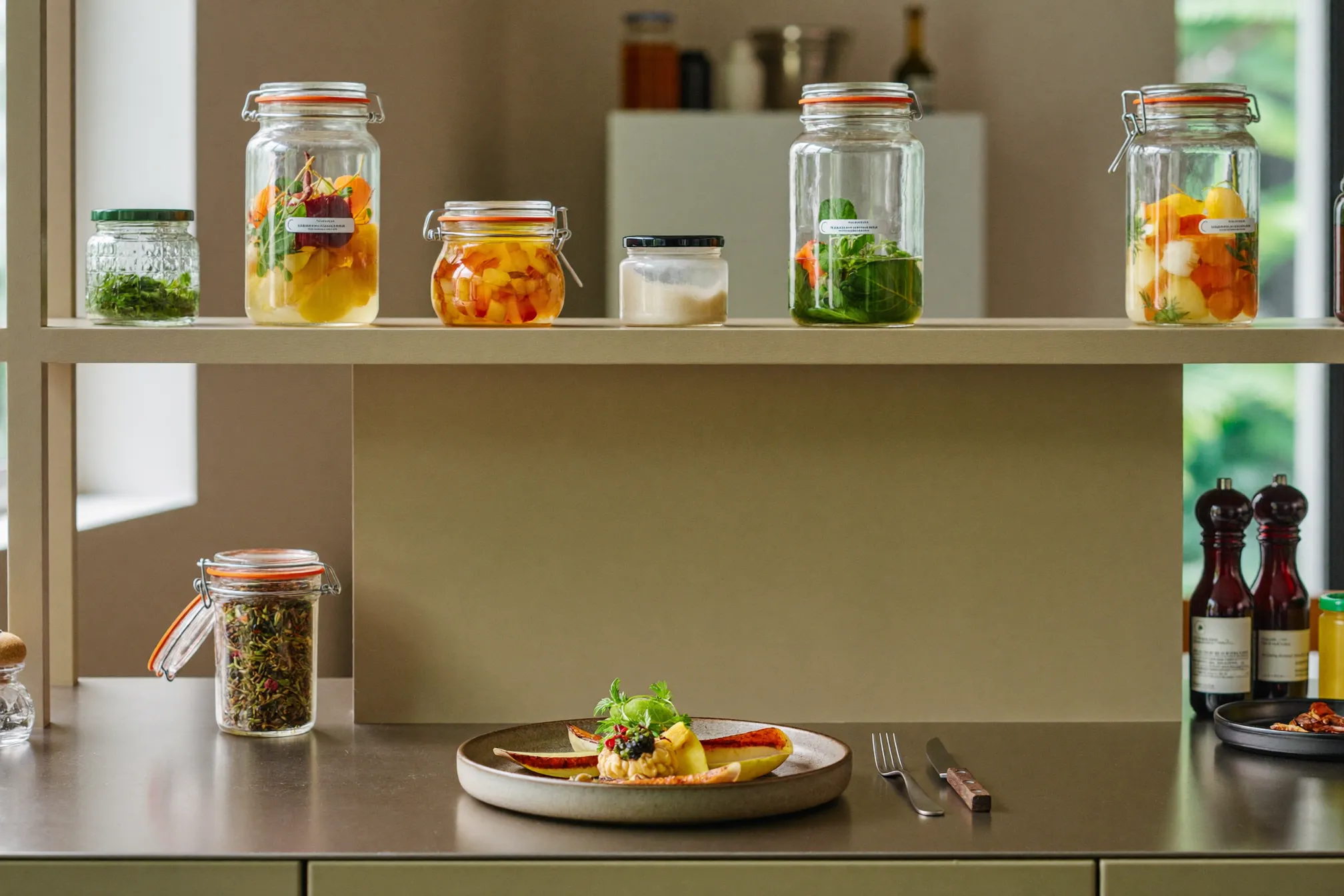
Test Kitchen Lab Medellín Wake: Adolfo Cavalie's chef's counter relocates into the US$65M wellness hotel with a larger fermentation-research space.
Feria de las Flores 2026 Medellín Economic Impact: $60.6M
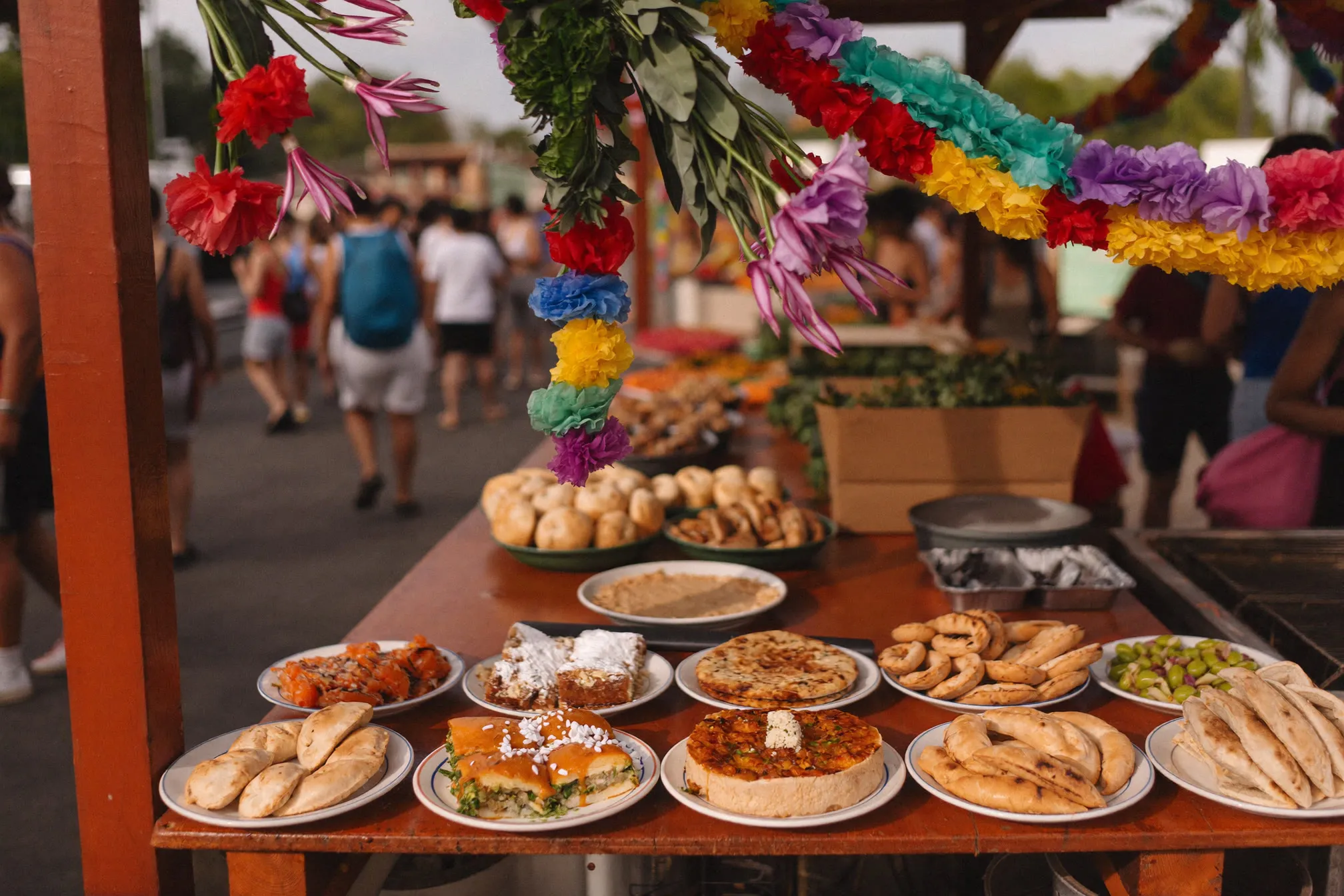
Feria de las Flores 2026 Medellín economic impact: US$60.6M, 328,000 visitors and 17,200 jobs projected. What the ten-day spike means for eating out.
Davivienda Restaurant Tour 2026 Medellín: World-Class Chefs Cook at Carmen, Boro and Selma
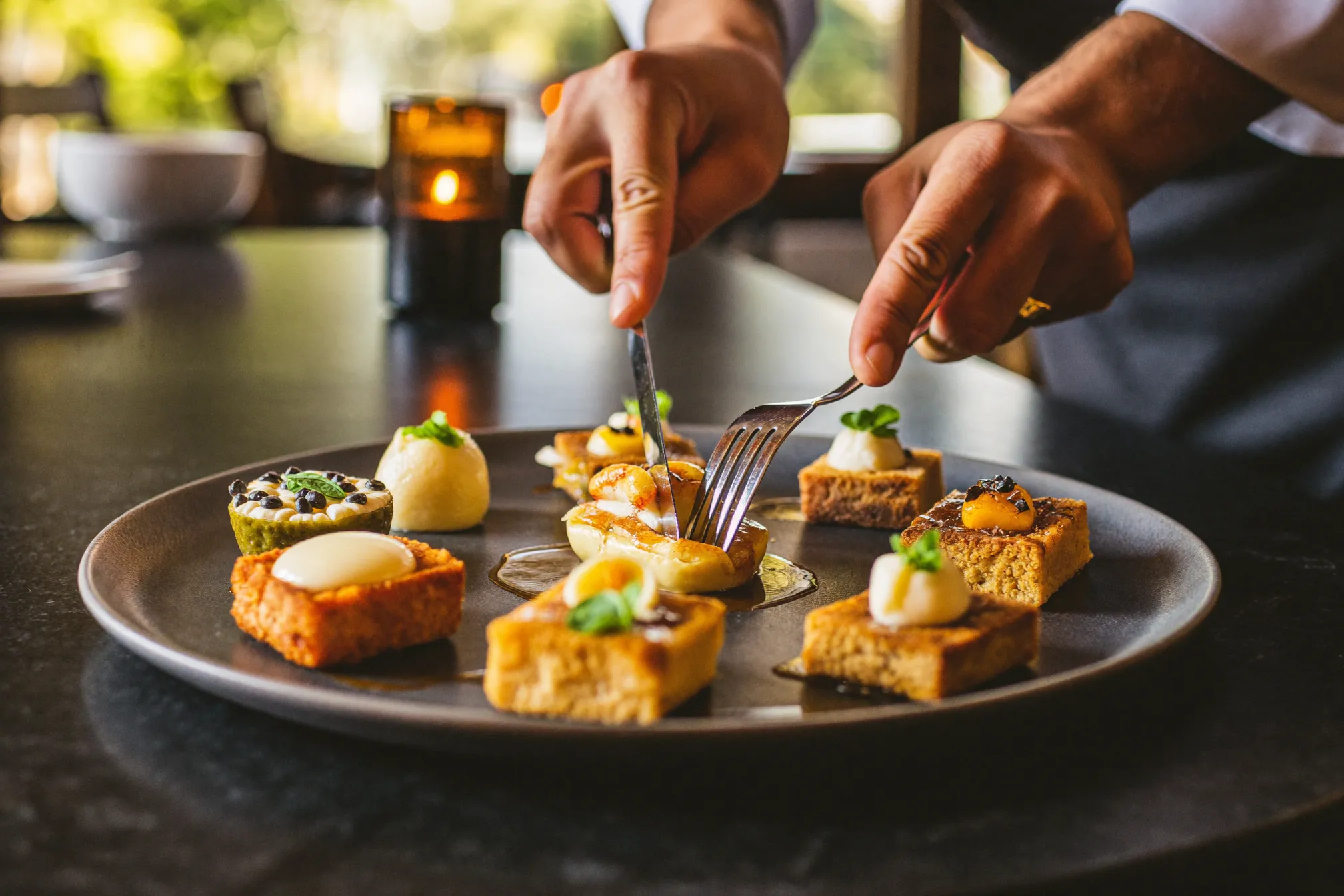
Davivienda Restaurant Tour 2026 Medellín: 17 world chefs cook one-night-only dinners at Carmen, Boro and Selma. Dates, prices and how to book.