Is Street Food Safe in Medellín? A Practical Guide for Expats and Nomads
Is street food safe in Medellín? Yes—here's a data-driven guide to vendor selection, tap water, top dishes, and the best neighborhoods to eat.
Stepping off a metro escalator at Parque Berrío and catching the smell of chorizo on a hot griddle is one of Medellín’s defining arrival moments. For newly landed expats and nomads, the question almost always follows: is street food safe in Medellín—and can you eat that without ending up horizontal for a week?
The short answer is yes, more reliably than in most Latin American cities, for reasons rooted in infrastructure and municipal policy rather than luck. This guide synthesizes official CDC food and water precautions for travelers, peer-reviewed sanitation research on Medellín specifically, and the city’s own inspection programs into a practical set of rules you can apply at any cart or market stall.
Why Medellín Is Unusually Favorable
Two structural factors set Medellín apart from the typical street-food safety calculus in Latin America.
Potable tap water. Medellín’s municipal utility, EPM (Empresas Públicas de Medellín), treats the city’s water to a potable standard, and most local residents drink it directly from the tap. Independent research confirms the city tops water-quality rankings among Colombian cities. This matters for street food because vendors use tap water to wash produce, fill pots, and make ice—inputs that create contamination cascades in cities with unreliable water systems. That cascade risk is substantially reduced in Medellín.
Active municipal inspection. Medellín’s Secretaría de Salud runs a daily inspection and surveillance program that covers food establishments across the city, issuing sanitary opinions and applying precautionary measures when risk factors are identified. This does not make every cart spotless, but it means the worst actors face real enforcement rather than none.
That said, a 2016 peer-reviewed study of informal street vendors in downtown Medellín—surveying 686 workers—documented that sanitary and environmental conditions vary significantly by vendor and that food poisoning incidents do occur. The risk is real; it is manageable with a few consistent habits.
Five Rules for Eating Street Food Safely
These rules adapt CDC traveler guidance to Medellín’s specific context.
1. Follow the queue
High turnover is the best proxy for freshness. A cart with a consistent line of locals means food is cycling through quickly and not sitting at ambient temperature for hours. At Parque Berrío or the Parque Lleras strip in El Poblado, the busiest stalls are almost always the safest ones.
2. Order hot and freshly cooked
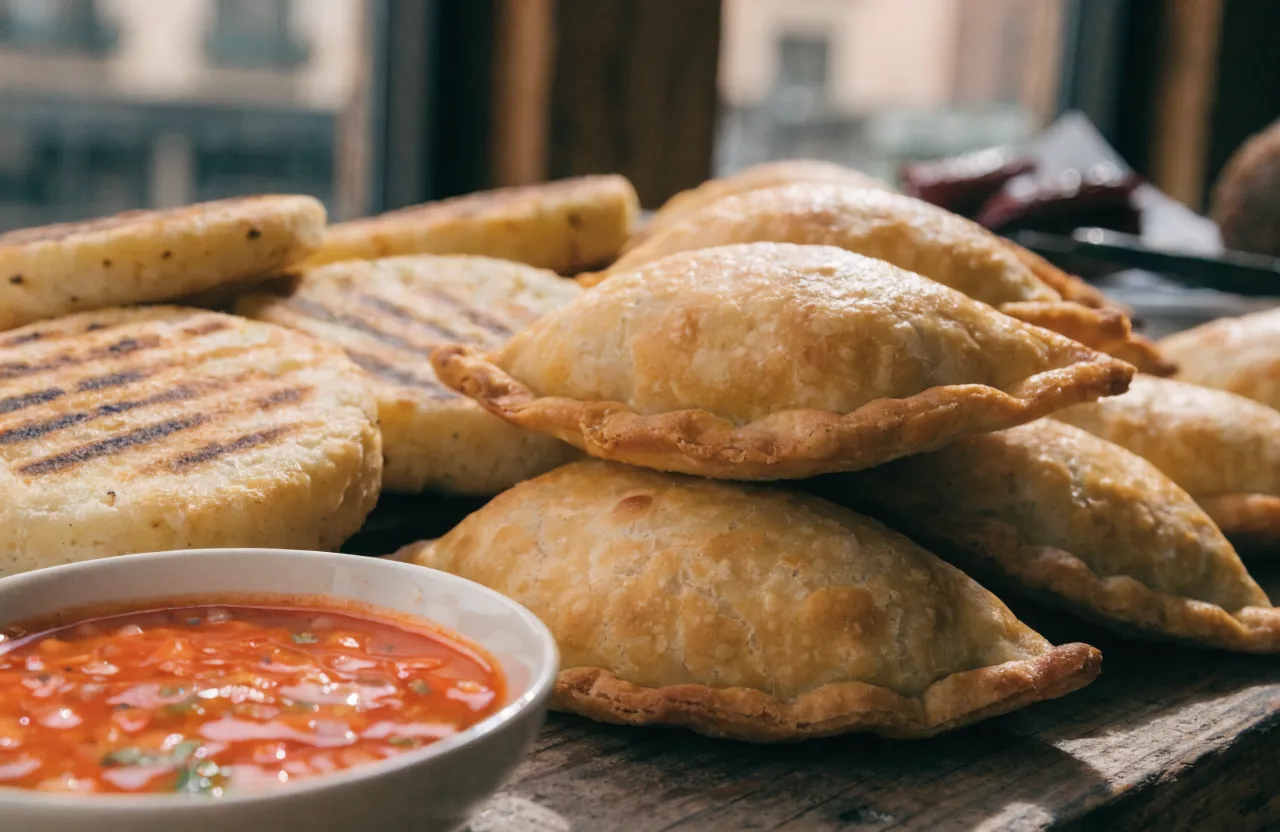
The CDC recommends sticking to foods cooked to order and served steaming. In Medellín, this means arepas straight off the griddle, empanadas that come out of hot oil in front of you, and chorizo cut from the skewer while it’s still sizzling. Avoid anything that has been sitting pre-cooked in an open container for an indeterminate time.
3. Be selective with raw preparations
Salsas, salads, and fresh-cut fruit from large communal bowls carry more risk than cooked items because there is no thermal kill step. This is especially relevant in the first week or two after arrival while your gut adjusts to local flora. After a few weeks eating regularly in Medellín, most long-term expats eat raw preparations without issue. Start cooked, expand gradually.
4. Tap water and ice are generally fine here
Unlike many destinations where CDC Colombia advisories flag ice and tap water as standard risks, Medellín’s EPM infrastructure means both are derived from a treated, potable supply across most of the city. The main caveat: if you are staying in an older building with aging internal pipes, a pitcher filter (widely available at Homecenter) is cheap insurance for your home water. Ice at street stalls and restaurants comes from the same treated supply.
5. Wash hands before eating
The simplest intervention with the strongest evidence. Street food in Medellín is designed to be eaten standing up with your hands. Keep a small bottle of hand sanitizer in your bag.
What to Eat: The Best-Bet Dishes
Certain dishes are structurally safer because of how they are prepared.
Arepas paisa. The flat corn cake grilled to order is one of the lowest-risk items on any cart. High-heat direct contact, made fresh, eaten immediately. Look for it stuffed with hogao (tomato-and-onion sauce), cheese, or crispy chicharrón.
Empanadas. Deep-fried at high temperature—the oil itself is a kill step. In El Poblado, Empanadisima on Calle 10 is a well-regarded stand where empanadas are made in fast-rotating visible batches. A typical empanada in Medellín runs 2,000–4,000 COP (approximately $0.50–$1.00 USD as of mid-2026).
Chorizo antioqueño. Grilled pork-and-beef sausage served alongside an arepa and ají dipping sauce. Cooked to order on open grills with no cold-chain ambiguity.
Fresh jugos (fruit juices). Medellín’s fruit diversity is extraordinary—lulo, maracuyá, tomate de árbol, guanábana. At busy juice stands, these are blended to order. If you are being cautious in your first days, order sin hielo (no ice), though as noted above, Medellín ice is not the risk it would be in other cities.
Chontaduro. The palm fruit sold from carts with salt and honey carries naturally low contamination risk—it is pre-cooked in large batches and sold individually, minimizing the handling variables that create problems elsewhere.
Where to Find It: Best Neighborhoods and Markets
Parque Berrío (El Centro). The metro station plaza and surrounding streets are Medellín’s historic street-food core. Fruit vendors, arepas, empanadas, perros calientes (Colombian-style hot dogs loaded with toppings), and fresh juices run the length of Avenida El Palo and beyond. Volume is high; turnover is constant.
El Poblado / Parque Lleras area. The expat-dense district has its own street food circuit, especially active after dark around the park and along Calle 9 and Calle 10. It skews toward international familiarity but the quality is reliable and vendors face higher accountability from a discerning, international clientele.
Laureles. More neighborhood than tourist destination, Laureles has well-regarded arepa vendors and local lunch spots that many long-term expats prefer once they are past the Poblado honeymoon. Parque de Laureles is a good anchor point for an afternoon of grazing.
Mercado del Río. Technically an indoor food hall rather than street food, Mercado del Río houses more than 50 food and drink concepts under one roof and is a useful introduction to the breadth of Colombian cuisine before you graduate to outdoor carts. Prices run higher than street level, but it is an excellent first-day orientation.
Plaza Minorista. The city’s traditional wholesale produce market is where vendors and home cooks source their raw ingredients. Walking the stalls gives you the vocabulary—and the visual baseline—for understanding what goes into every dish you will eat elsewhere in the city.
The Tap Water Question, Answered Directly
A persistent point of confusion: much generic travel guidance for Colombia flags tap water across the board as unsafe. For Medellín specifically, that framing is outdated or overgeneralized. EPM’s water system is consistently rated among the best-maintained in Latin America, and the city’s water meets potable standards. Most residents—including long-term expats and digital nomads—drink it without filtration.
In a newer apartment: drink freely. In an older building where you notice taste variation or visible pipe age: a Brita-style pitcher covers the gap for a few thousand pesos. Bottled water is available everywhere at low cost if you simply prefer certainty.
If You Do Get Sick
Traveler’s diarrhea can happen at any price point—expensive restaurants included. The standard first response: oral rehydration salts (suero oral, available at any farmacia for a few hundred pesos), rest, and clear fluids. Seek medical attention if you develop a high fever, see blood in stool, or symptoms do not improve within 48 hours. Clínica El Rosario in El Poblado is well-equipped and experienced with international patients.
Quick-Reference Summary
| Item | Verdict | Reason |
|---|---|---|
| Hot, cooked-to-order food | Safe | Thermal kill step; high turnover |
| Pre-cooked food sitting out | Caution | Temperature and exposure risk |
| Tap water (Medellín city) | Safe | EPM potable standard |
| Ice in drinks | Generally fine | Same EPM treated supply |
| Fresh-cut fruit from carts | Moderate caution | No heat step; hygiene-dependent |
| Raw shellfish | Avoid early | Higher contamination risk |
Medellín rewards curiosity and punishes almost none of it when you apply a few consistent rules. The city’s food culture is built on street-level eating—arepas for breakfast, empanadas mid-afternoon, chorizo at night—and the infrastructure behind it is more robust than the generic Latin America risk framing suggests. Start with the hot stuff, follow the queues, and work your way outward from there.
Ready to eat your way around the city? See our roundup of the best brunch spots in El Poblado and our Medellín restaurant news roundup for the latest openings.

AI engineer and digital strategist with 25+ years building software and AI systems; founder of CarlosArias&Co and engineer behind Medellín.co.
Hook this up to your favourite commenting platform — Giscus, Disqus, or your own.
Continue reading
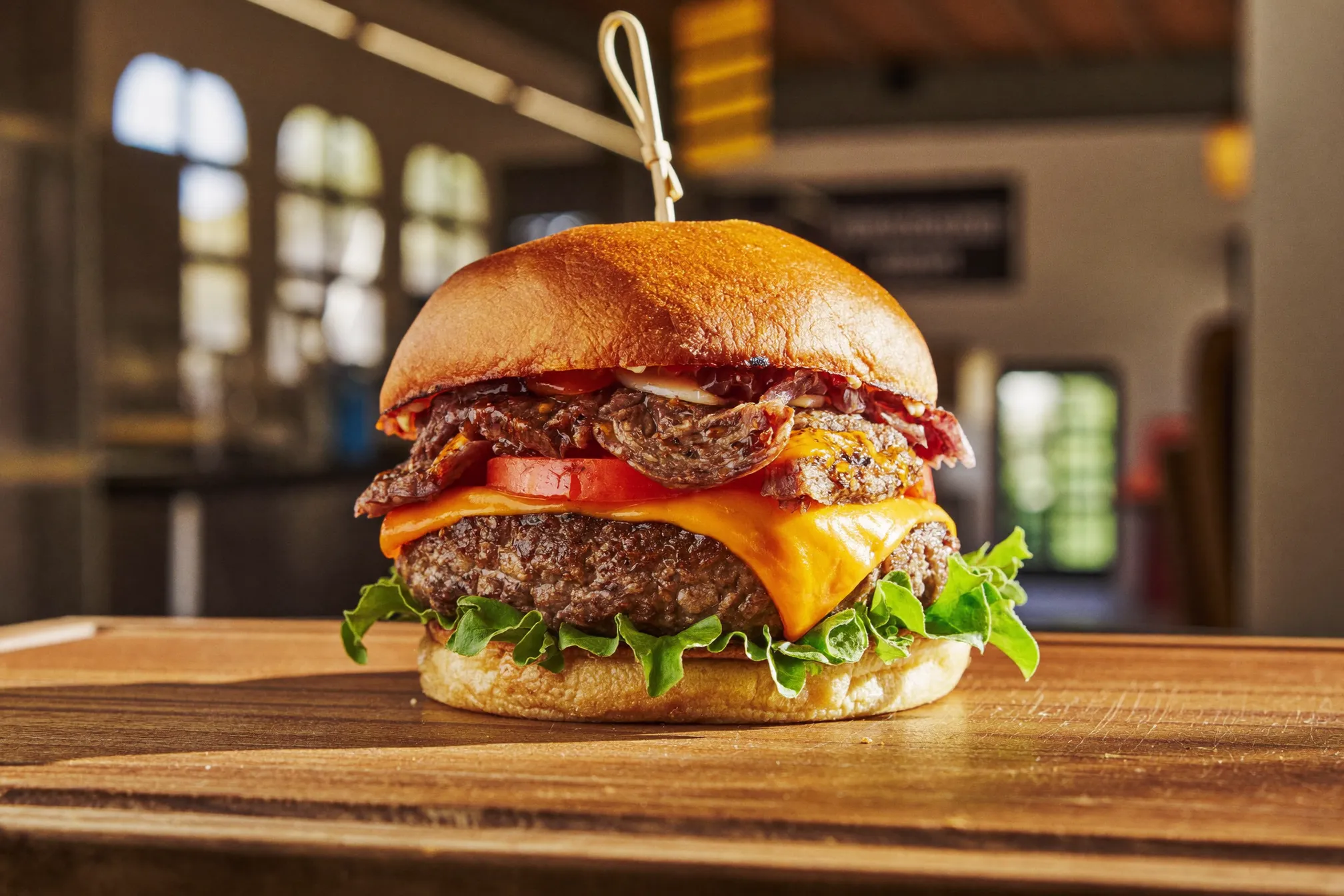
Restaurants in Ciudad Del Rio Worth Visiting (My Personal Picks)
My honest guide to the best restaurants in Ciudad Del Rio, Medellín—burgers, Greek gyros, a food hall, and a few places to skip.
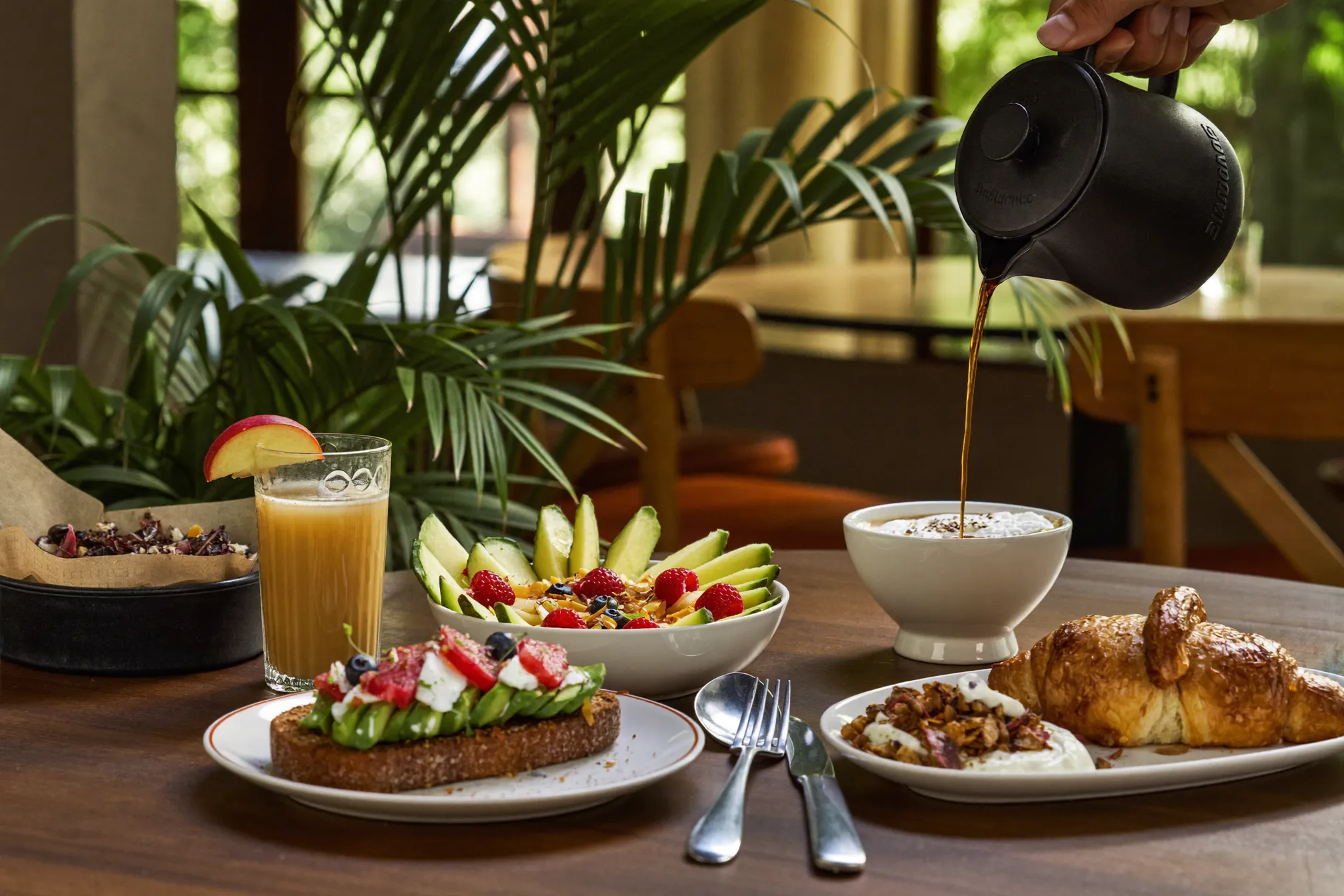
The 12 Best Brunch Spots in El Poblado, Medellín
Our vetted shortlist of the best brunch in El Poblado—specialty coffee, eggs Benedict, Provenza gardens, and one serious Sunday buffet.
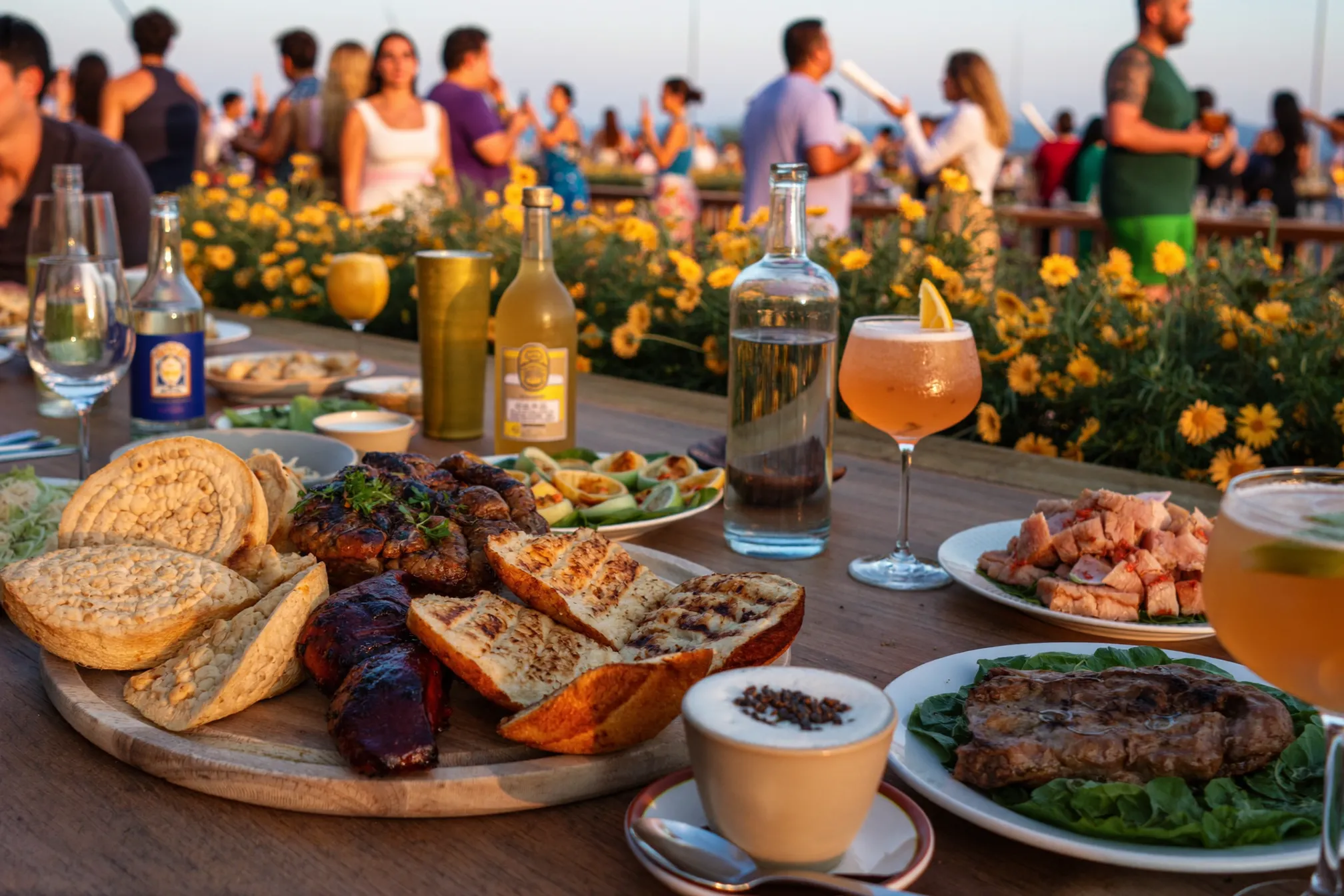
Feria de las Flores 2026 Medellín Restaurant Reservations
Feria de las Flores 2026 runs July 31–August 9. Here's how to plan Medellín restaurant reservations — which nights to book, where walk-ins still work.